
Previously we discussed the items to start out reloading ammunition. We started with a press, looked at scales and reloading manuals. Now it comes down to what components needed to make rounds of ammo.
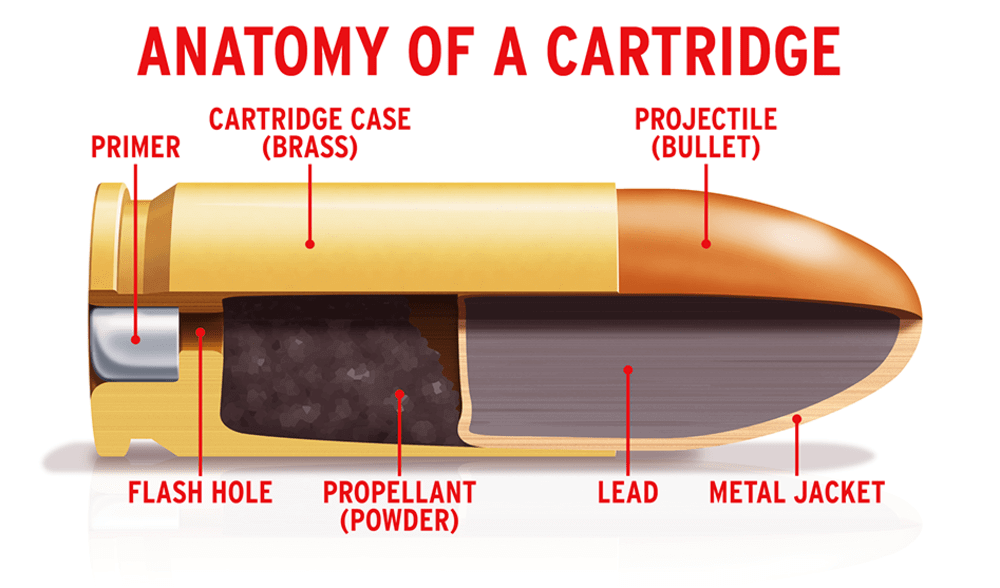
There is four components to a round of ammunition. Primer, cartridge case, powder/propellant, and the bullet.
Primer
The Primer is the ignition source turning mechanical energy in to chemical energy. That chemical energy is what pushes the bullet out the barrel.
There are several different size primers, depending on the use. Such as pistol and rifle cartridges. For pistol there is small and large pistol primers. Such as, 9mm, which uses small pistol primers and .45LC will use large pistol primers. There are large rifle and small rifle primers too. Respectively 30-06 using large rifle and .223/5.56 using small rifle primers. Primers for shotgun shells are standard across all gauges. For the .50 caliber Browning, there is a specific primer made. Refer to the reloading manual for the specific primer needed.
There are types of primers. There are regular primers, magnum and bench rest primers. Magnum primers are used in magnum calibers such as .357 and .44. There are rifle magnum primers too. Such as 7mm magnum. Bench rest primers are use for consistent ignition and case pressures for target/competition shooting.
Powder
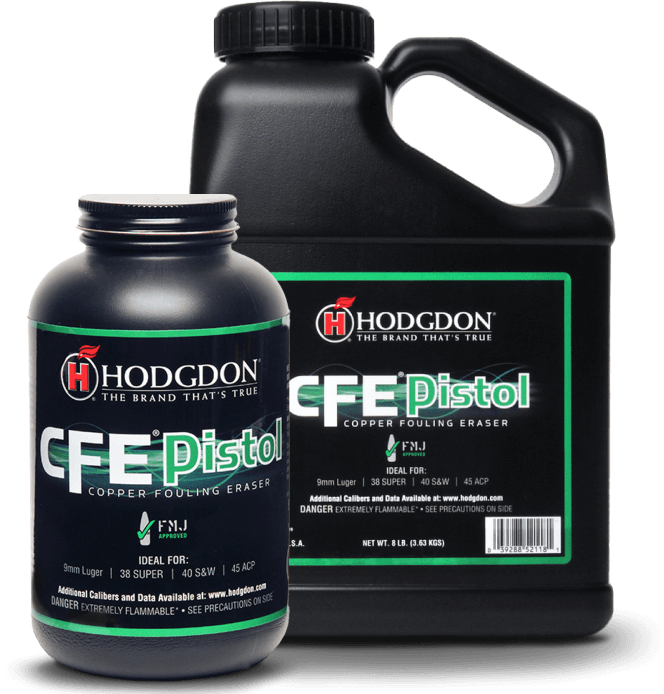
Smokeless gun powder has been around since just before the 20th century. Essentially, a propellant that burns at a certain rate and generates a gas to produce pressure to push the bullet out a barrel. A burn chart will illustrate, by comparison, how fast a powder will burn. Unfortunately, specifics, such as gas rate of expansion per volume is not provided. Thus, the very reason to pay attention to the reloading manual and stay within tolerances.
Cartridge Case
The cartridge case is what holds the round together. Typically a cartridge case is made out of brass. But other materials, such as steel and aluminum can be found. There are two types of cases. Boxer and Berdan primer pockets. Boxer primed cases have a single flash hole in the head of the case where a Berdan primed case has two flash holes. Only the Boxer primer cases can be conventionally reloaded. Be mindful to check your brass before reloading. Damage will occur to the die when attempting to de-cap the case.

Powder/ Propellant
The powder/ propellant is the chemical means to which a bullet is expelled from the firearm. The powder is ignited by the primer which in turn, generates a gas, that provides pressure to push the bullet out the barrel. A reloading manual will illustrate the recommended amount of powder to be loaded.
Bullet
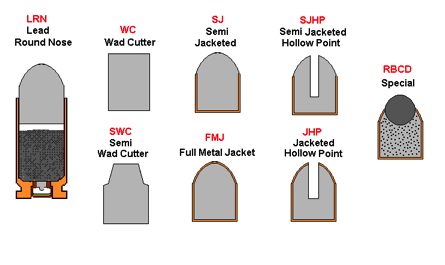
The bullet of the round of ammunition is what does the damage. Bullets come in different calibers and weights. Bullets are made with a full metal jacket, hollow point, soft point, boat tail, spitzer, etc. Refer to a reloading manual for more details.
The components for a round of ammunition are readily available from a local sporting goods or gun store. Gun shows are a good place to find reloading components and equipment. Welcome to the world of reloading.
We offer training courses for reloading here at Carolina Gunworks. Contact our trainer for more details.
Thank You,
Tell your family, tell your friends, tell your family friends. Carolina Gunworks is your hero support.